ラヴィンツァラ (Ravintsara)
ラテン語学名|Cinnamomum camphora
主要産地|マダガスカル
原料分類|葉シリーズ
原料規格|500g-25kg 詳細は担当営業までお問い合わせください
抽出部位|葉
抽出方法|蒸留
植物科別|クスノキ科
植物の香り|穏やかなカンファー調の香り
▎エッセンシャルオイル紹介
厳選されたマダガスカル東部の熱帯雨林に由来し、地球の生態系における「輝く宝石」とも称されます。独特な地理条件を持ち、島内は地域ごとに気候差が大きく、低緯度で一年中高温多雨の東部熱帯雨林気候がラヴィンツァラにとって理想的な生育環境を提供しています。
強い日差しを多く受けて育つため、ラヴィンツァラの葉には豊富な有用成分が凝縮されています。その優れた働きから人々の健康を支える植物として知られ、マダガスカルの国樹とも称されています。現地の大統領府の内外にも、樹齢200年以上のラヴィンツァラの木が数多く植えられています。
ラヴィンツァラ精油は、集中力を高め、円滑なコミュニケーションを促し、環境への適応をサポートしながら、仕事による疲労感を和らげる働きが期待されます。
▎成分解析
|主成分:酸化物
主成分はシネオール(粘液を緩和する作用)、α-Terpineol(テルピネオール)であり、さらに微量成分としてα-ピネン、サビネン、リモネンなどが含まれています。
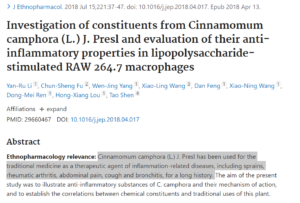
▸ ラヴィンツァラにはフェニルプロパノイド、リグナン、フラボノイド、クマリン、テルペン類などの成分が含まれており、in vitro試験において炎症に関する研究が報告されています。
|成分1:1,8-シネオール (1,8 cineole)
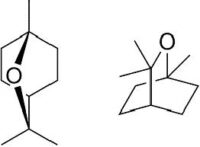
▸ 化学特性:最大62.6%にも及ぶ酸化物(1,8-シネオール)を含有しており、ラヴィンツァラ精油は呼吸器系のコンディショニングに優れています。爽やかで上向きな香りは気分を高めると同時に、外的環境に対する抵抗力をサポートします。
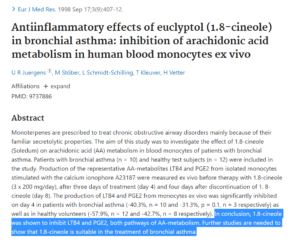
▸ あるin vitro研究では、1,8-シネオールが単核白血球を刺激し、ロイコトリエンLTA4およびプロスタグランジンPGE2の生成を調節することが示されています。これらはいずれもアラキドン酸(AA)代謝経路に関与しており、1,8-cineoleは気管支の不調に適していると考えられます。
|成分2:テルピネオール (α-Terpineol)
テルピネオール(別名:松油醇)はライラック様の香りを持つ代表的な化合物で、α-TやT-4-olなどが含まれ、人間・動物・植物に対して幅広い生理作用を示します。
- 用途:これらは香水、化粧品、家庭用洗浄製品に広く使用される香料成分であるだけでなく、食品や飲料のフレーバーにも利用されます。また多様な生物学的・薬理的特性を持ちます。さらにテルピネオールは、石けん、農薬、医薬品、プラスチック、通信機器、計測機器産業などにも使用され、ガラス製品の着色用溶剤としても活用されています。
|原料認証
関連する認証資料を入手したい場合は、こちらをクリックして公式LINEに登録してください。@
製品仕様書 COA
GC/MS 検査報告書
輸送安全報告書
MSDS
原料製品
技術書
IFRA51 証書
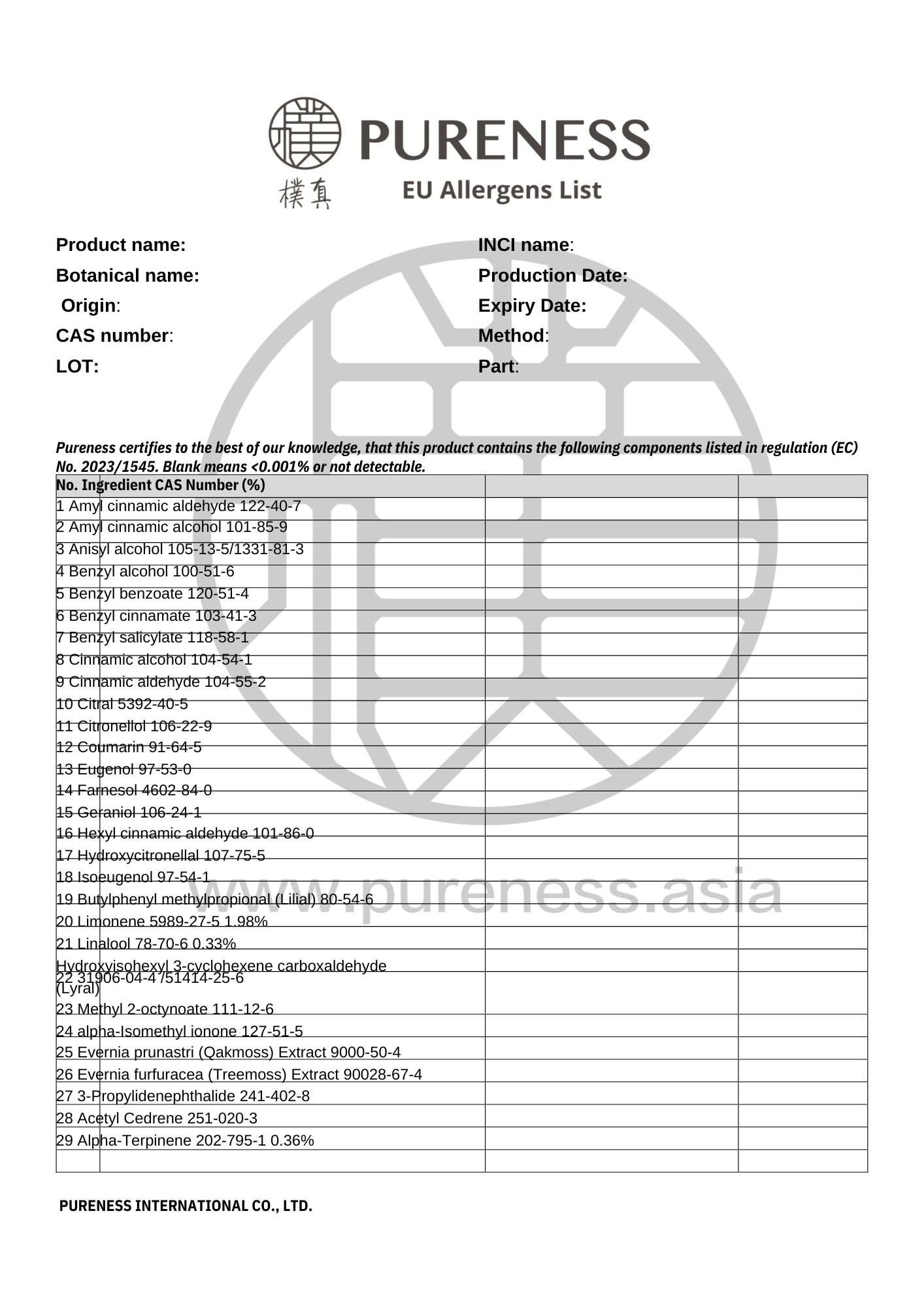
82種類のEUアレルゲン
▎参考文献
- Jihai Zhou , Kun Cheng , Guomin Huang. Effects of exogenous 3-indoleacetic acid and cadmium stress on the physiological and biochemical characteristics of Cinnamomum camphora. Ecotoxicol Environ Saf. 2020 Mar 15;191:109998.
- Zhang GF, Huang QL, Bi XQ, Liu YL, Yuan ZS. Analysis of endophytic bacterial community diversity and metabolic correlation in Cinnamomum camphora. Arch Microbiol. 2020 Jan;202(1):181-189.
- Chen J, Tang C, Zhang R, Ye S, Zhao Z, Huang Y, Xu X, Lan W, Yang D. Metabolomics analysis to evaluate the antibacterial activity of the essential oil from the leaves of Cinnamomum camphora (Linn.) Presl. J Ethnopharmacol. 2020 May 10;253:112652.
- Na-Jin Kang et al. Cinnamomum camphora Leaves Alleviate Allergic Skin Inflammatory Responses In Vitro and In Vivo. Toxicol Res. 2019 Jul;35(3):279-285.
- Wenting Wang , Dongxiang Li , Xiaoqin Huang. Study on Antibacterial and Quorum-Sensing Inhibition Activities of Cinnamomum camphora Leaf Essential Oil. Molecules. 2019 Oct 21;24(20):3792.
- Liu X, Meng Y, Zhang Z, Wang Y, Geng X, Li M, Li Z, Zhang D.Functional nano-catalyzed pyrolyzates from branch of Cinnamomum camphora. Saudi J Biol Sci. 2019 Sep;26(6):1227-1246.
- Pan L, Lie GW, Xue L, Chen HY. Changes of Cinnamomum camphora root characteristics and soil properties under ozone stress in South China. Environ Sci Pollut Res Int. 2019 Oct;26(30):30684-30692
- Effects of Cinnamomum camphora leaf litter cover on soil carbon and nitrogen cycles under different water conditions]. Ying Yong Sheng Tai Xue Bao. 2019 Jan 20;30(1):85-94.
- Ma X, Hu Z, Mao J, Xu Y, Zhu X, Xiong H. Synthesis of cocoa butter substitutes from Cinnamomum camphora seed oil and fully hydrogenated palm oil by enzymatic interesterification. J Food Sci Technol. 2019 Feb;56(2):835-845.
- Huang W, Xu M, Duan H, Bi Y, Yu H. Inhibition of Fusarium oxysporum by AgNPs biosynthesised using Cinnamomum camphora fruit extract. IET Nanobiotechnol. 2019 Feb;13(1):42-45.
- Chen C, Zheng Y, Zhong Y, Wu Y, Li Z, Xu LA, Xu M. Transcriptome analysis and identification of genes related to terpenoid biosynthesis in Cinnamomum camphora. BMC Genomics. 2018 Jul 24;19(1):550.
- Chen S, Zheng T, Ye C, Huannixi W, Yakefu Z, Meng Y, Peng X, Tian Z, Wang J, Ma Y, Yang Y, Ma Z, Zuo Z. Algicidal properties of extracts from Cinnamomum camphora fresh leaves and their main compounds. Ecotoxicol Environ Saf. 2018 Nov 15;163:594-603.
- Li YR, Fu CS, Yang WJ, Wang XL, Feng D, Wang XN, Ren DM, Lou HX, Shen T. Investigation of constituents from Cinnamomum camphora (L.) J. Presl and evaluation of their anti-inflammatory properties in lipopolysaccharide-stimulated RAW 264.7 macrophages. J Ethnopharmacol. 2018 Jul 15;221:37-47.
- Yang B, Liu S, Liu Y, Li X, Lin X, Liu M, Liu X. PAHs uptake and translocation in Cinnamomum camphora leaves from Shanghai, China. Sci Total Environ. 2017 Jan 1;574:358-368.
- Caihui Chen , Yongjie Zheng. The complete chloroplast genome of Cinnamomum camphora and its comparison with related Lauraceae species. PeerJ. 2017 Sep 18;5:e3820.
- Guo X, Cui M, Deng M, Liu X, Huang X, Zhang X, Luo L. Molecular differentiation of five Cinnamomum camphora chemotypes using desorption atmospheric pressure chemical ionization mass spectrometry of raw leaves. Sci Rep. 2017 Apr 20;7:46579.
- Fu J, Zeng C, Zeng Z, Wang B, Gong D. Cinnamomum camphora Seed Kernel Oil Ameliorates Oxidative Stress and Inflammation in Diet-Induced Obese Rats. J Food Sci. 2016 May;81(5):H1295-300.
- Fu J, Zeng C, Zeng Z, Wang B, Wen X, Yu P, Gong D. Cinnamomum camphora Seed Kernel Oil Improves Lipid Metabolism and Enhances beta3-Adrenergic Receptor Expression in Diet-Induced Obese Rats. Lipids. 2016 Jun;51(6):693-702.
- Ravensara aromatica ou Ravintsara : une confusion qui perdure parmi les distributeurs d’huiles essentielles en Europe et en Amérique du Nord. June 2012. Phytotherapie 10(3)
- Olivier Behra et al. Ravintsara vs ravensara a taxonomic clarification. International Journal of Aromatherapy. Volume 11, Issue 1, 2001, Pages 4-7.
|一部の画像はインターネットからのものです。著作権侵害等があった場合は、ご連絡いただければ削除いたします|