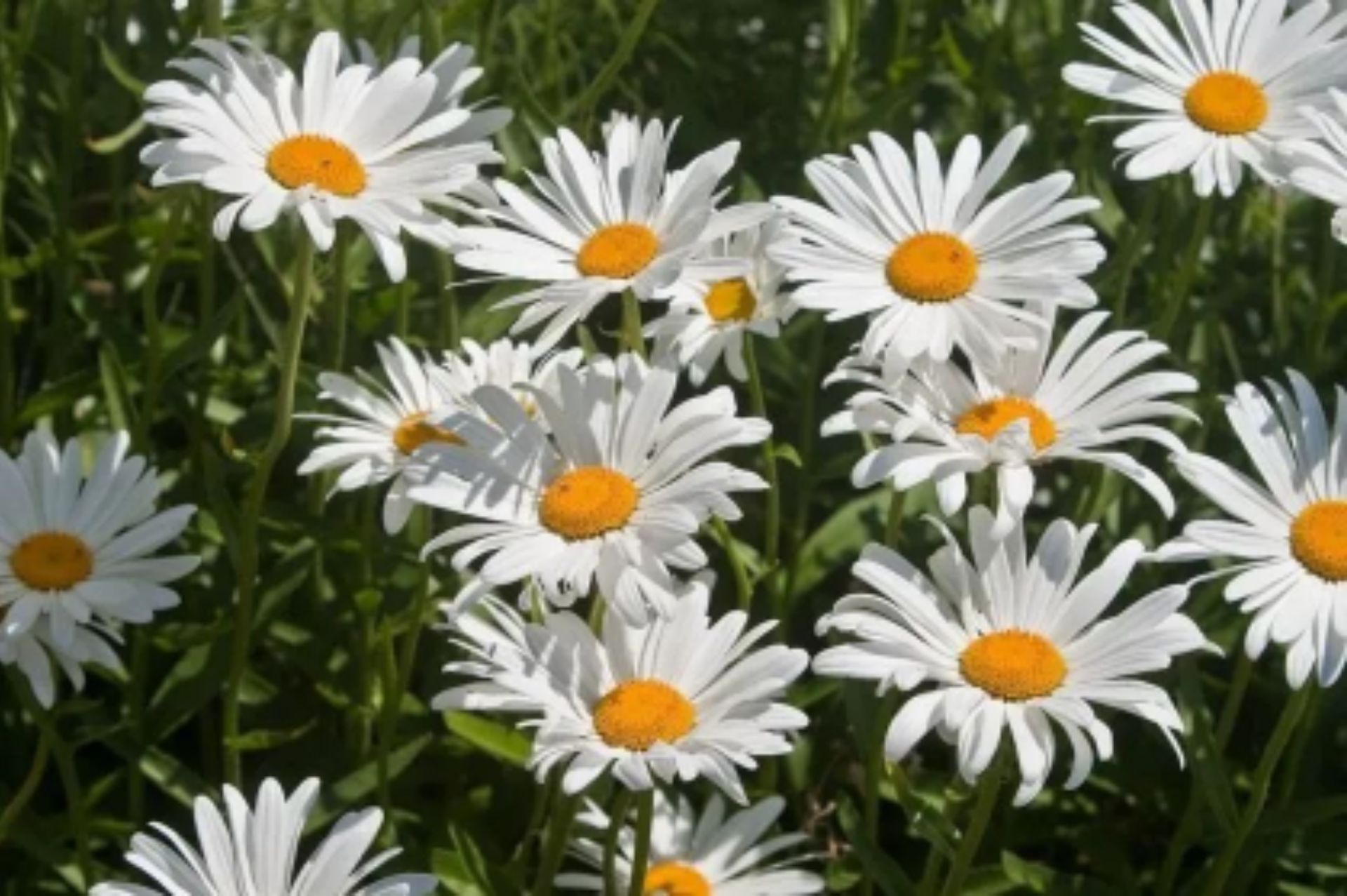
ローマンカモミール Roman Chamomile
ラテン語学名|Chamaemelum nobile
主要産地|ブルガリア
原料分類|花シリーズ
原料規格|500g-25kg 詳細は担当営業までお問い合わせください
抽出部位|花
抽出方法|蒸留
植物科別|キク科
植物の香り|リンゴに似た爽やかなフローラルの香り
▎エッセンシャルオイル紹介
ローマンカモミールはリンゴに似た香りを持つことから、その名称はギリシャ語のchamaimelon(地上のリンゴ)に由来します。6〜7月に開花し、草丈は50〜70cmの一年生草本植物です。ジャーマンカモミールとは外観が異なり、黄色い花心がより低いのが特徴です。多年生のローマンカモミールは低く広がるグランドカバー植物で「植物の医者」とも呼ばれ、近くに植えられた植物は病気になりにくいとされています。また、その根から分泌される成分が周囲の植物の活力を回復させるとも言われています。
ローマンカモミールには多くの品種があり、八重咲き品種も含まれます。1932年からはバッキンガム宮殿の庭園においてカモミールの芝生として栽培されてきました。《植物人格全書》ではローマンカモミールは「ケアギバー(世話をする人)タイプ」に分類されており、エステル類が持つ「愛とサポート」の性質から、親のような細やかな家族愛を象徴し、原初的な安心感の源とされています。そのため感情のバランスを整える働きが特に強く、心が繊細で不安を感じやすい人、傷つきやすい人、物事を過度に解釈してしまう人を穏やかに支えるのに適しています。
▎成分解析
|主成分:エステル類
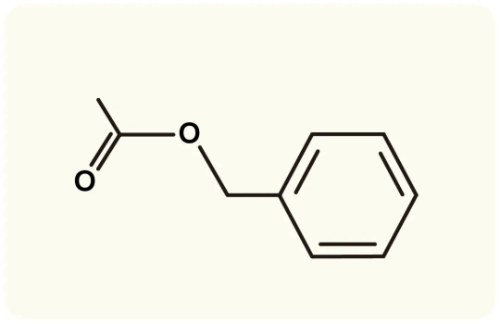
▸ 主な成分として、さらにlimonene、α-pinene、carvone(ローマンカモミールにわずかな青草様の香りを与える)などが含まれ、滞りを解きほぐす働きにも優れています。ローマンカモミールには微量のケトンも含まれますが、適切な使用においては神経毒性の問題はありません。アロマセラピーにおいて最も広く使用されている精油の一つです。
|成分:オウビャクシサンイソブチルエステル(Isobutyl angelate)
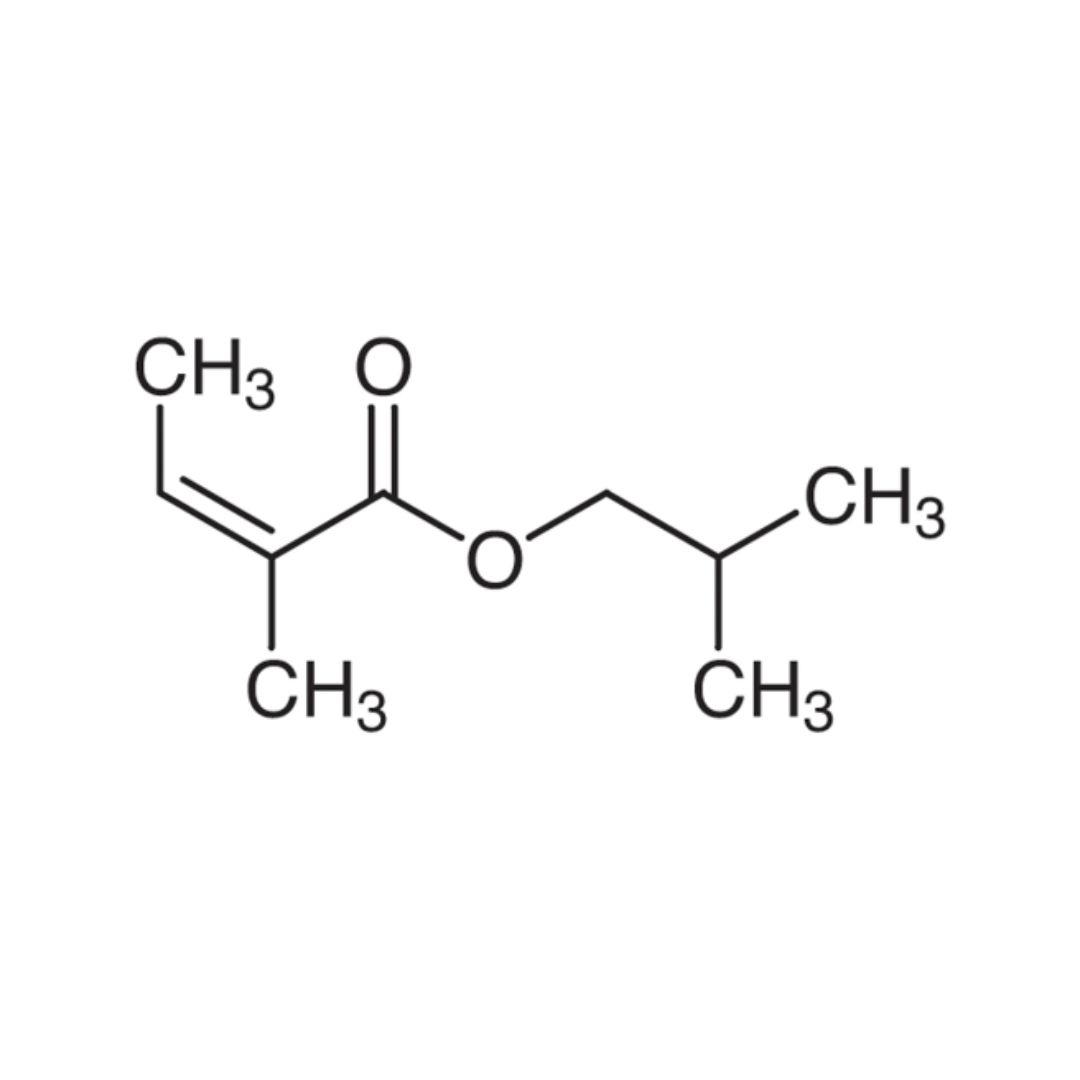
▸ メチルグルタル酸エステル(Isobutyl angelate)は、別名「当帰酸イソブチルエステル」とも呼ばれます。「Isobuty」はイソブタノール由来を示し、「angelate」はオウビャクシサン(アンジェリカ酸)由来を意味します。Isoamyl angelate(オウ白芷酸イソアミルエステル)とともに、精油においてエステル類の中でも珍しい脂肪酸系成分に分類され、ローマンカモミールにリンゴのような香りを与える主要成分でもあり、その含有量は75%以上に達します。
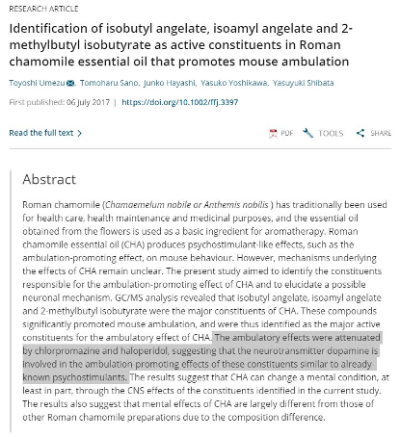
▸ GC/MS分析により、Isobutyl angelate、Isoamyl angelate、2-methylbutyl isobutyrateがローマンカモミールの主要成分であることが確認されています。これらの化合物はマウスの活動性を顕著に促進することが示され、ローマンカモミール精油(CHA)の主要な活性成分とされています。また研究では、これらの活性成分が神経伝達物質ドーパミンと類似性を持つことも示されています。
|原料認証
関連する認証資料を入手したい場合は、こちらをクリックして公式LINEに登録してください。@
製品仕様書 COA
GC/MS 検査報告書
輸送安全報告書
MSDS
原料製品
技術書
IFRA51 証書
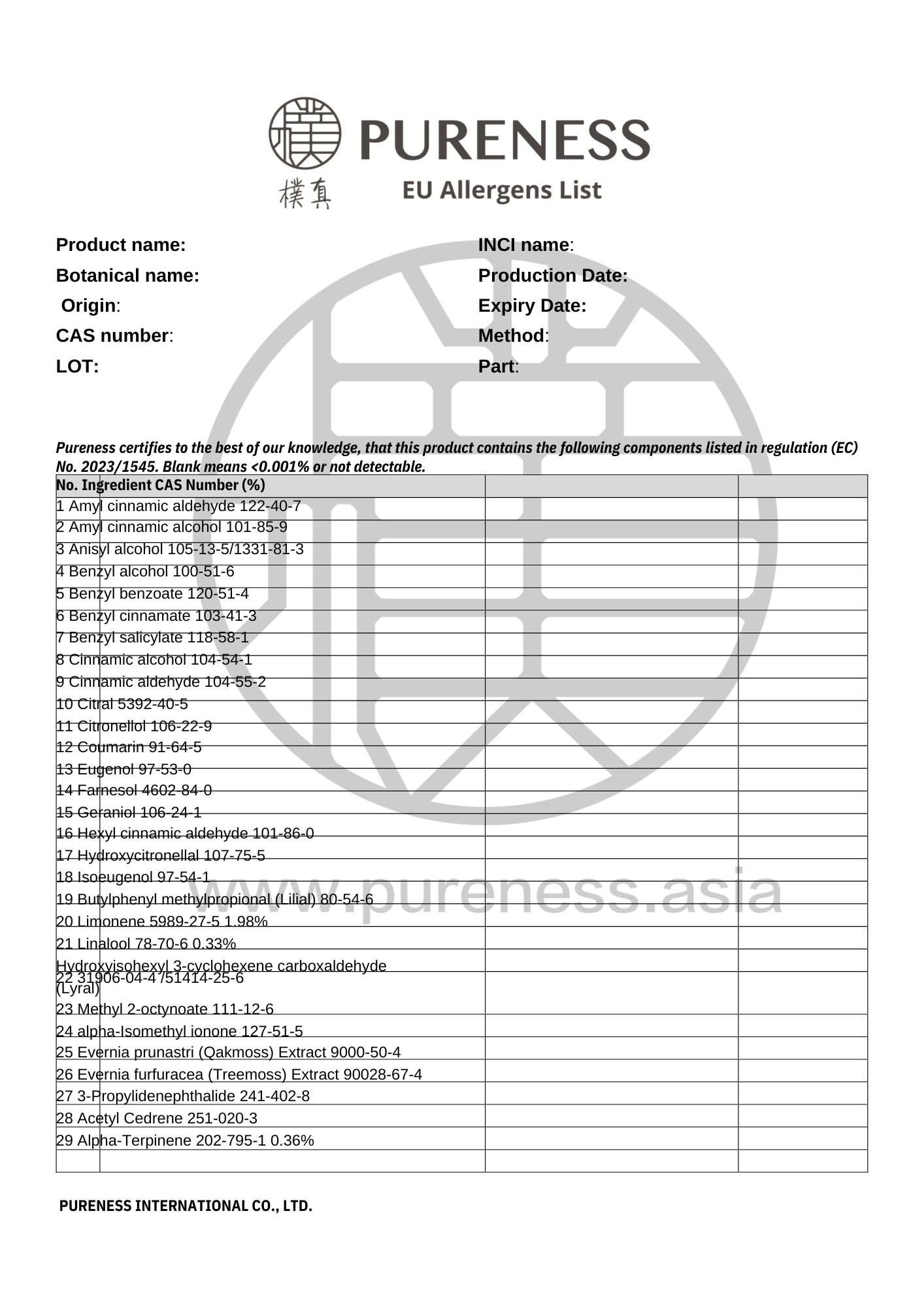
82種類のEUアレルゲン
▎参考文献
- Zsolt Sándor1,el. Evidence Supports Tradition: The in Vitro Effects of Roman Chamomile on Smooth Muscles. Published online 2018 Apr 6.
- Toyoshi Umezu.Identification of isobutyl angelate, isoamyl angelate and 2‐methylbutyl isobutyrate as active constituents in Roman chamomile essential oil that promotes mouse ambulation.
- EMA-HMPC (2012). Community Herbal Monograph on Chamaemelum nobile (L.) All., Flos. London: EMA-HMPC.
- Kazemian H1, Ghafourian S1, Heidari H2. Antibacterial, anti-swarming and anti-biofilm formation activities of Chamaemelum nobile against Pseudomonas aeruginosa. Rev Soc Bras Med Trop. 2015 Jul-Aug;48(4):432-6.
- Menendez-Baceta G., Aceituno-Mata L., Molina M., Reyes-García V., Tardío J., Pardo-de-Santayana M. (2014). Medicinal plants traditionally used in the northwest of the Basque Country (Biscay and Alava), Iberian Peninsula. J. Ethnopharmacol. 152 .113–134.
- Alarcün R., Pardo-de-Santayana M., Priestley C., Morales R. (2015). Author’s accepted manuscript. J. Ethnopharmacol. 176. 207–224.
- Janmejai K Srivastava,1,2,* Eswar Shankar,1,2 and Sanjay Gupta1,2, Chamomile: A herbal medicine of the past with bright future. Mol Med Report. 2010 Nov 1; 3(6): 895– 901.doi: 10.3892/mmr.2010.377
- Essential Oils: A Handbook for Aromatherapy Practice Second Edition. Genus Anthemis Anthemis Nobilis(Also Known As Chaemamelum Nobile)-Roman Chamomile.145-146
- Hernández-Ceruelos A., Madrigal-Santillán E., Morales-González JA, Chamorro-Cevallos G., Cassani-Galindo M., Madrigal-Bujaidar E. (2010). Antigenotoxic effect of Chamomilla recutita (L.) rauschert essential oil in mouse spermatogonial cells, and determination of its antioxidant capacity in vitro. Int. J. Mol. Sci. 11:3793–3802.
- Zeggwagh N. A., Moufid A., Michel J. B., Eddouks M. (2009). Hypotensive effect of Chamaemelum nobile aqueous extract in spontaneously hypertensive rats. Clin. Exp. Hypertens. 31: 440–450.
- Effect of the Internal and External Factors on Yield and Qualitative-Quantitative Characteristics of Chamomile Essential Oil. Acta horticulturae: June 2007, Volume: 749
- Adams R. P. (2007). Identification of Essential Oil Components by Gas Chromatography/Mass Spectroscopy.
- Barthó L., Benkó R., Patacchini R., Pethö G., Holzer-Petsche U., Holzer P., et al. (2004). Effects of capsaicin on visceral smooth muscle: a valuable tool for sensory neurotransmitter identification . Eur. J. Pharmacol. 500: 143–157.
- Antonelli A., Fabbri C. (1998). Study on Roman chamomile Chamaemelum nobile L. all. oil. J. Essent. Oil Res. 10: 571–574.
- Melegari M., Albasini A., Pecorari P., Vampa G., Rinaldi M., Rossi T., et al. (1988). Chemical characteristics and pharmacological properties of the essential oils of Anthemis nobilis. Fitoterapia 59: 449 –455.
- Abou-Zied E., Rizk A. (1973). Phytochemical investigation of Anthemis nobilis L. growing in Egypt. Qual. Plant. Mater. Veg. 2: 141–144.
- Augustin B., Javorka S., Giovannini R. R. P. (1948). Magyar Gyógynövények [Hungarian Herbal Drugs. New Delhi: Ministry of Agriculture, 299–300.
|一部の画像はインターネットからのものです。著作権侵害等があった場合は、ご連絡いただければ削除いたします|