ベニヒ Taiwan Benihi (Hinoki)
ラテン語学名|Chamaecyparis formosensis
主要産地|台湾
原料分類|木質シリーズ
原料規格|500g-25kg 詳細は担当営業までお問い合わせください
抽出部位|木部
抽出方法|低温蒸留
植物科別|ヒノキ科ヒノキ属
植物の香り|奥深いウッディな香り、爽やかなレジン(樹脂)の芳香
▎エッセンシャルオイル紹介
台湾の高山地帯で厳選された檜木は、主に標高1500メートルから2500メートルの間に分布しています。氷河期に台湾に定着した檜木は、台湾の優れた成育緯度と地理的環境により、卓越した生態系と品質を育み、この貴重な木材が今日まで保存されることとなりました。
最初に発見された紅檜の標本は東京へ運ばれ、1901年に正式に「タイワンベニヒノキ(台湾紅檜)」と命名されました。台湾紅檜はサワラ(Chamaecyparis pisifera)の近縁種であり、かつては広大な原生林が存在していましたが、伐採により収穫量が激減したため、現在は非常に希少なものとなっています。
台湾檜木は台湾固有の特別な種類であり、樹皮は滑らかで薄く、木材には刺激臭がありません。高級建築や家具の建材として広く利用されています。
▎成分解析
|主成分:セスキテルペンアルコール
台湾檜木はヒノキチオール(Hinokitiol)の含有量が非常に高く、その天然の香りは緊張やストレスを和らげてくれます。現在、世界的に希少な台湾檜木は減少傾向にありますが、樹体から分泌されるヒノキチオールが虫害や病気から身を守るため、千年以上生き続け、いわゆる「神木」と呼ばれる巨木へと成長します。
枝や幹から抽出された檜木精油はセスキテルペンアルコール類を主成分とし、針葉から抽出されたものはモノテルペン類を主成分とします。また、myrtenol、myrtenyl、g-cadiene、ピネン、カンフェン、パラシメン、テルピネオール、樟脳などの成分も含まれています。
|成分:Hinokitiol
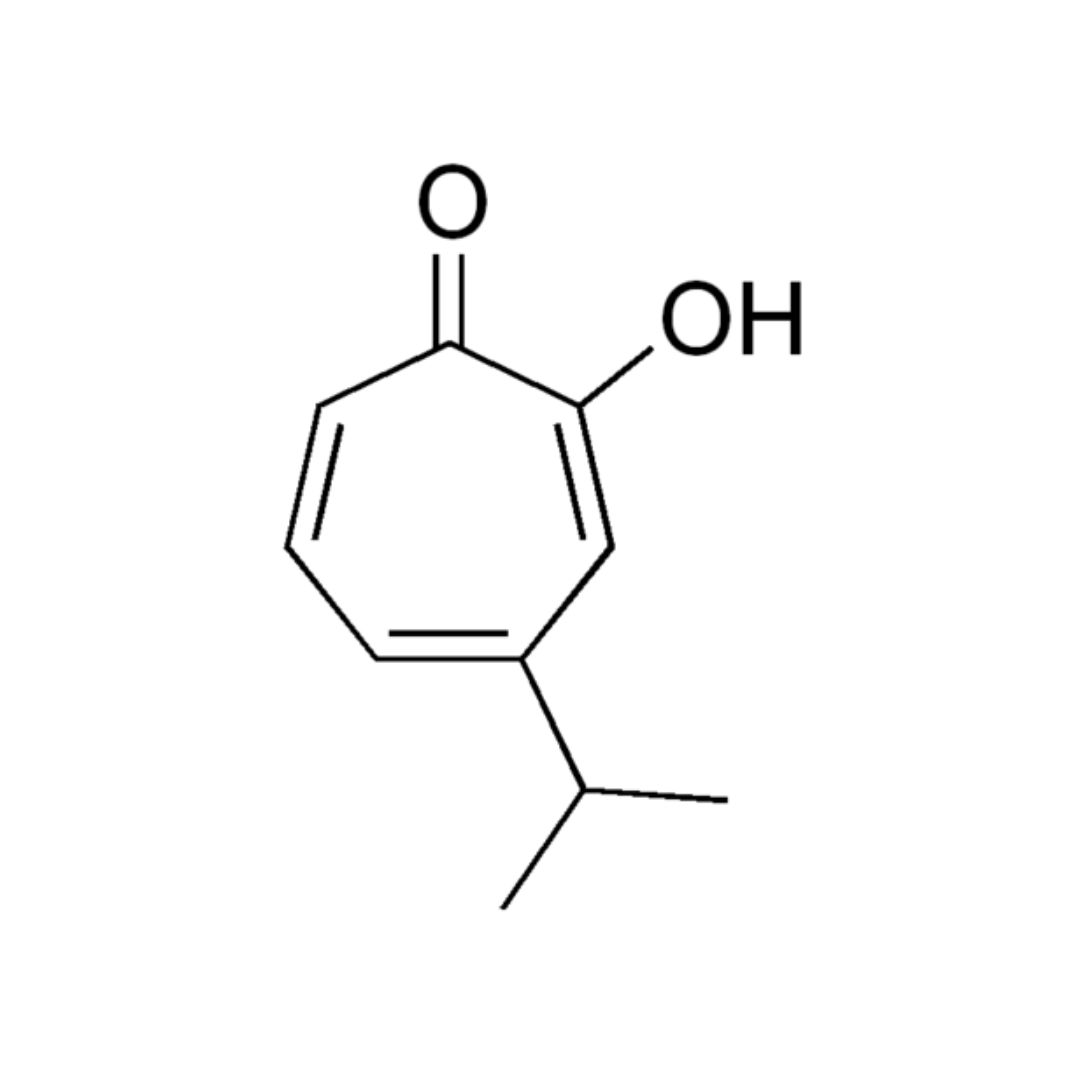
▸ 台湾檜木はヒノキチオール(Hinokitiol)の含有量が特に高いのが特徴です。
|研究・認証
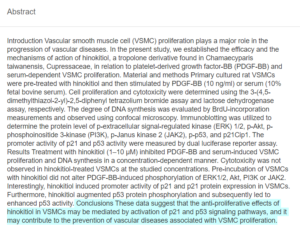
▸ 血管平滑筋細胞(VSMC)におけるヒノキチオールの作用に関する研究。
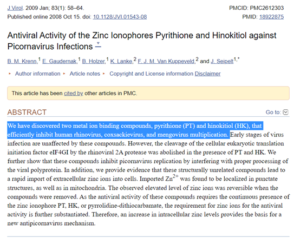
▸ 近年の研究では、Hinokitiolを亜鉛化合物と併用した際の、多種の人類ウイルス(ライノウイルス、コクサッキーウイルス、メンゴウイルス等)に対する関連研究が報告されています。
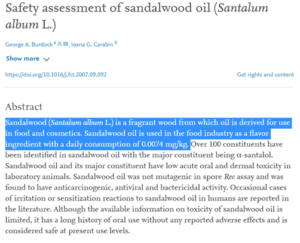
▸ その成分は現在、ドイツ、日本、アメリカなどの国々で、医薬品、化粧品、食品などに広く応用されています。
|原料認証
関連する認証資料を入手したい場合は、こちらをクリックして公式LINEに登録してください。@
製品仕様書 COA
GC/MS 検査報告書
輸送安全報告書
MSDS
原料製品
技術書
IFRA51 証書
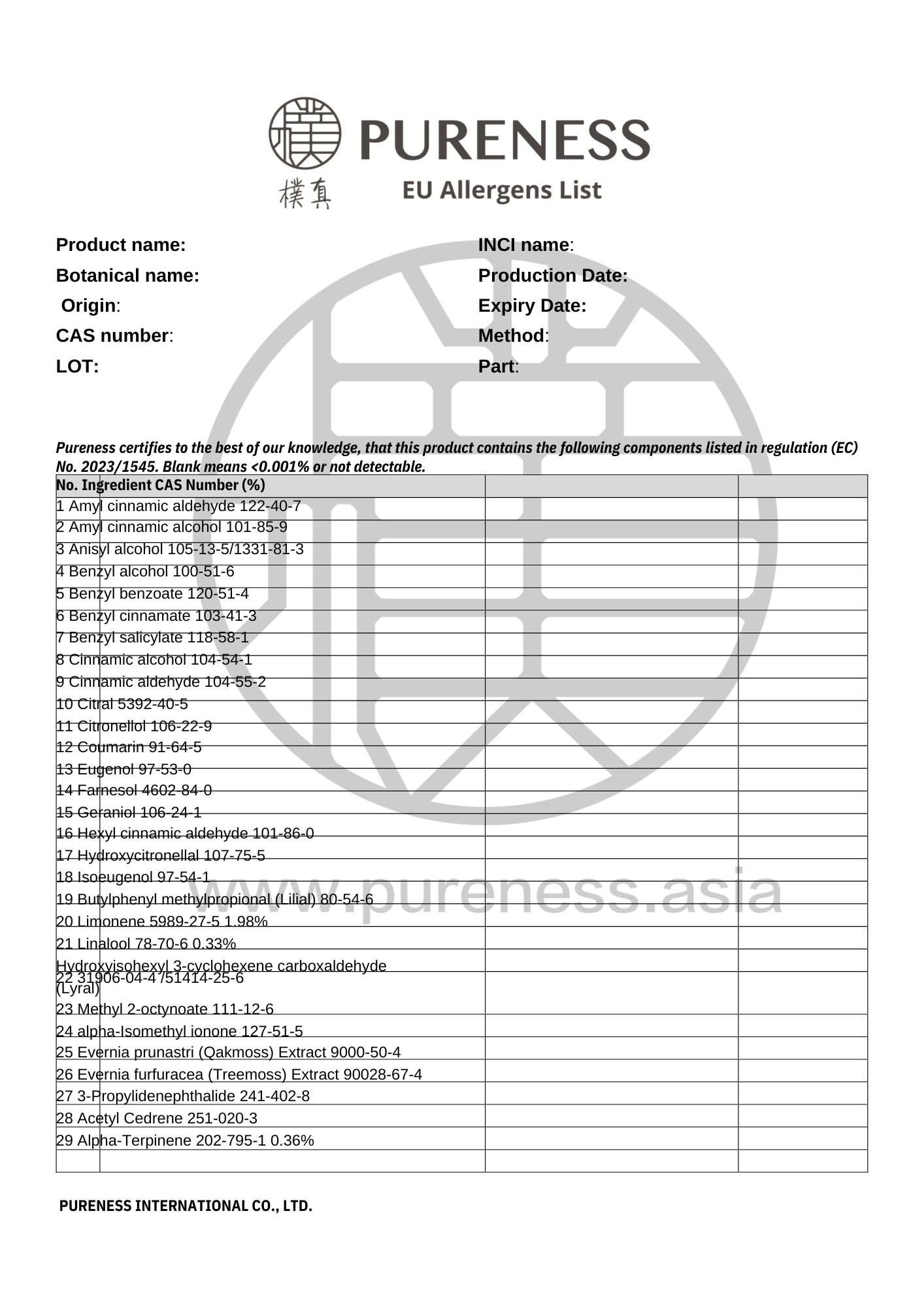
82種類のEUアレルゲン
▎参考文献
- Chedgy R(2010). Secondary metabolites of Western red cedar (Thuja plicata): their biotechnological applications and role in conferring natural durability. LAPLambert Academic Publishing. ISBN 978-3-8383-4661-8.
- Secretariat,Treasury Board of Canada; Secretariat, Treasury Board of Canada. "Detailedcategorization results of the Domestic Substances List - Open Government Portal". open.canada.ca. Retrieved 2020-06-17.
- Grillo AS, SantaMaria AM, Kafina MD, Cioffi AG, Huston NC, Han M, et al. (May 2017). "Restorediron transport by a small molecule promotes absorption and hemoglobinization inanimals". Science. 356 (6338): 608 –616.
- Service RF (May2017). "Iron Man molecule restores balance tocells". Science Magazine. AAAS. Retrieved 2020-05-20.
5. Mechanism of the Inhibitory Effect of Hinokitiol on Rat Vascular Smooth Muscle Cell Proliferation Dissertation, Taipei Medical University Institute of Medical Sciences; 2010 (2010 / 01 / 01), P1 – 81 - Mechanism of the Inhibitory Effect of Hinokitiol on Rat Vascular Smooth Muscle Cell Proliferation Dissertation, Taipei Medical University Institute of Medical Sciences; 2010 (2010 / 01 / 01), P1 – 81
- Inhibitory effect of PDGF-BB and serum-stimulated responses in vascular smooth muscle cell proliferation by hinokitiol via up-regulation of p21 and p53. April 2018 Archives of Medical Science 14(3):579-587
- IP Australia: AusPat". Australian Government - Intellectual Property Australia. Retrieved 2020-05-20
- Shih YH, Chang KW, Hsia SM, Yu CC, Fuh LJ, Chi TY, Shieh TM (June 2013). "In vitroantimicrobial and anticancer potential of hinokitiol against oral pathogens and oral cancer cell lines". Microbiological Research. 168 (5 ): 254–62.
- Morita Y, SakagamiY, Okabe T, Ohe T, Inamori Y, Ishida N (September 2007). "The mechanism of the bacterial activity of hinokitiol". Biocontrol Science. 12 (3):101–10
10.Wang TH, Hsia SM, WuCH, Ko SY, Chen MY, Shih YH, et al. (2016-09-28). "Evaluation of the Antibacterial Potential of Liquid and Vapor Phase Phenolic Essential Oil Compounds against Oral Microorganisms". PloS One . 11 (9): e0163147. - Jayakumar T, Liu CH, Wu GY, Lee TY, Manubolu M, Hsieh CY, et al. (March 2018). "Hinokitiol Inhibits Migration of A549 Lung Cancer Cells via Suppression of MMPs and Induction of Antioxidant Enzymes and Apoptosis". International Journal of Molecular Sciences. 19 (4).
- Krenn BM, GaudernakE, Holzer B, Lanke K, Van Kuppeveld FJ, Seipelt J (January 2009). "Antiviral activity of the zinc ionophores pyrithione and hinokitiola against picornavirus infections". Journal of Virology. 83 (1): 58–64 .
|一部の画像はインターネットからのものです。著作権侵害等があった場合は、ご連絡いただければ削除いたします|